Data is not a synonym for truth.
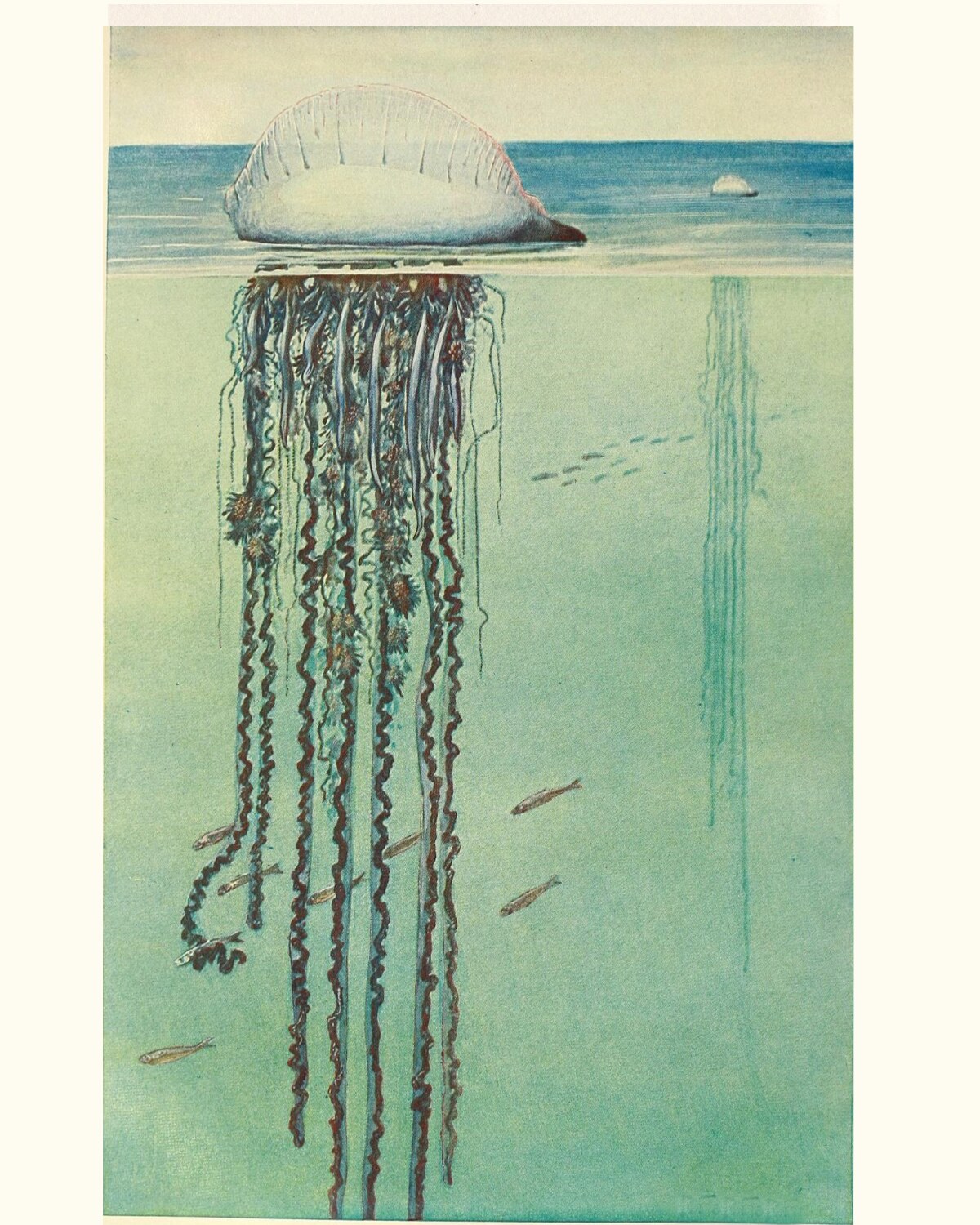
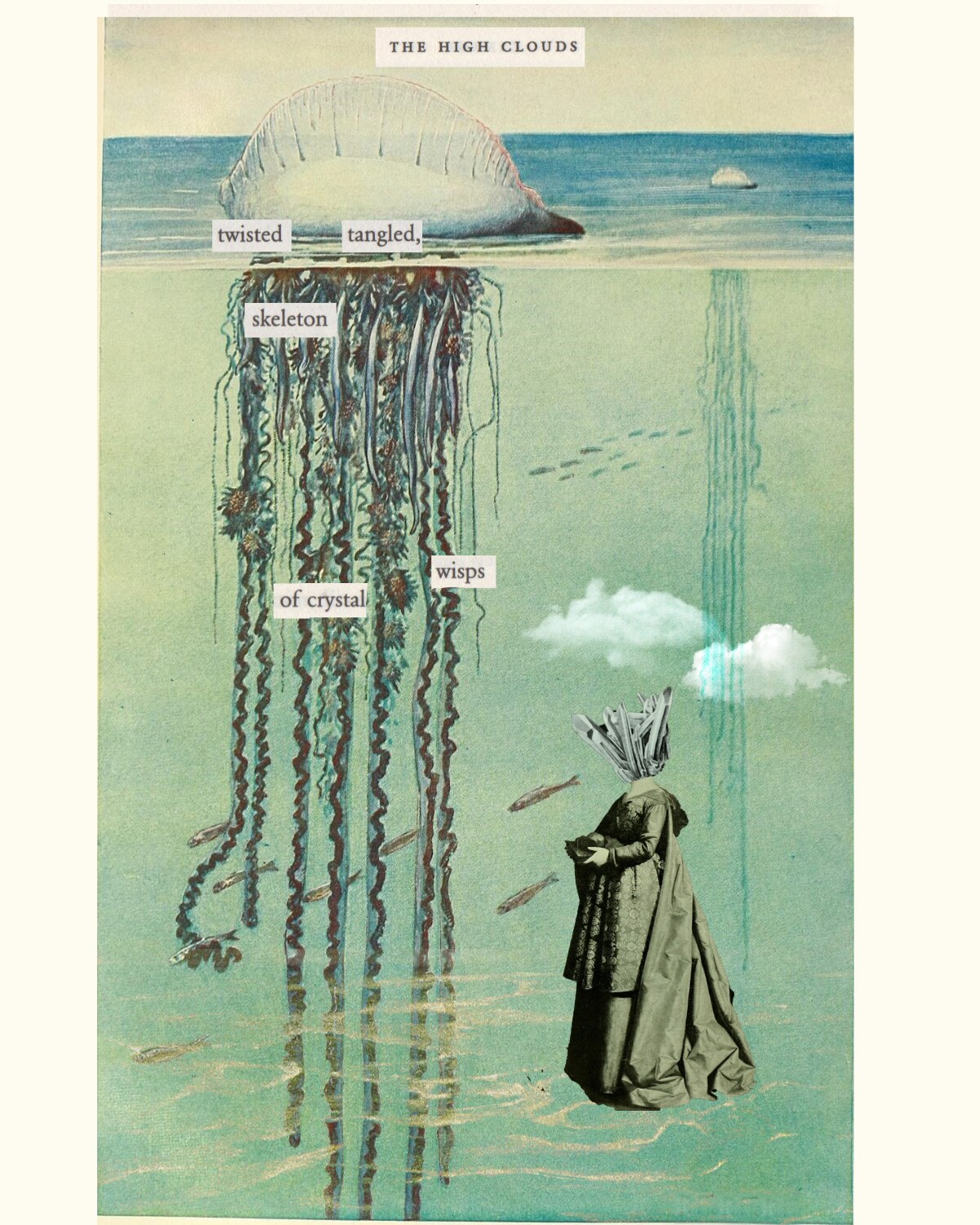
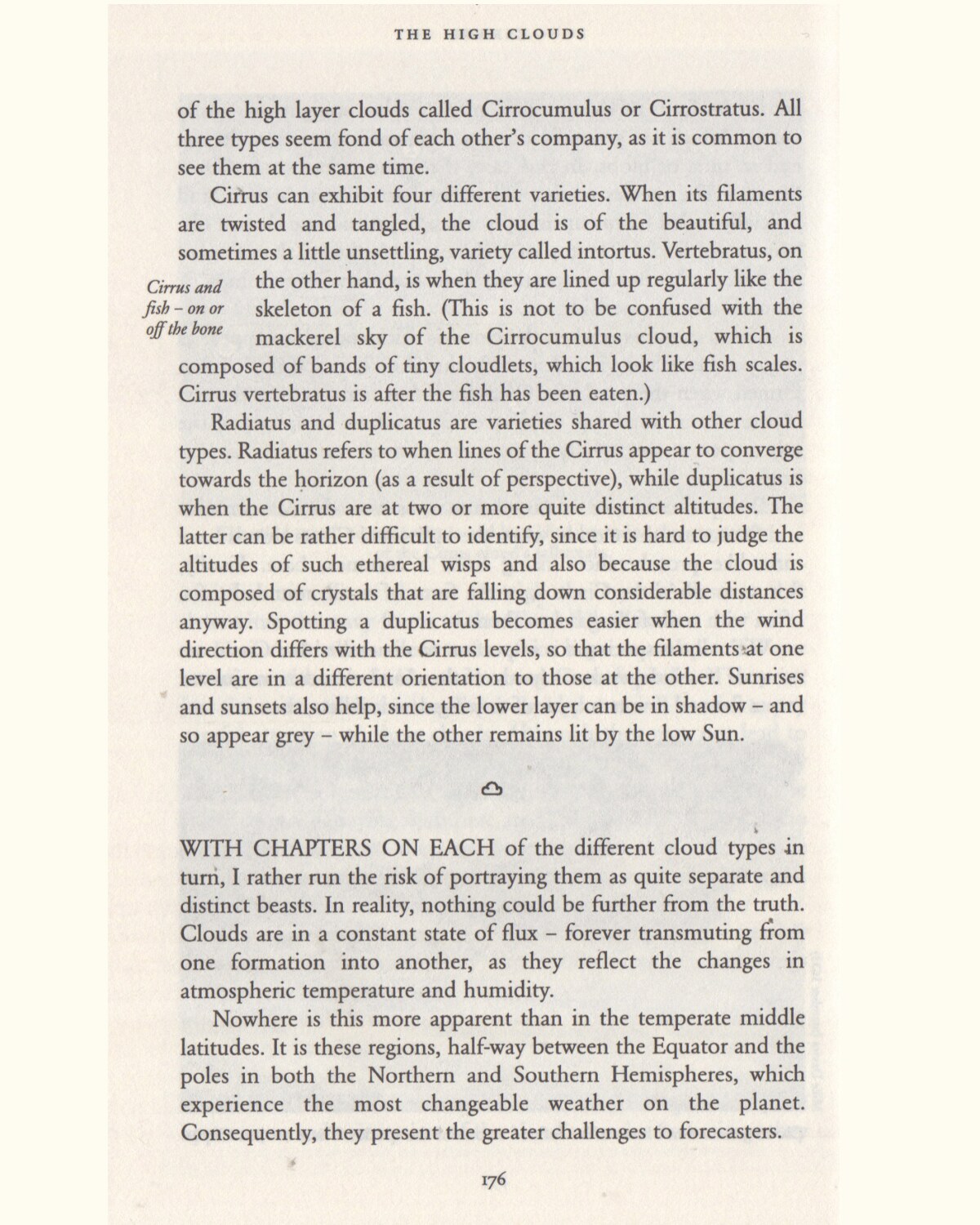
An erasure poem titled The High Clouds, shown here building up in the layers it was made from: first the bare Victorian source page on cloud classification, then the sea-creature illustration that replaces it — a Portuguese man o' war trailing its tendrils below the waterline — and finally the extracted words arriving on top — twisted, tangled, skeleton, of crystal, wisps — with a cloaked, crystal-headed figure standing in the shallows.
An erasure poem keeps two stories legible: the full text beneath the wash, the selected text above it, echoing the layered stories told by data and by humans.
Scroll
Revealing Layers is an example of a consultation process I used as part of developing the regulatory instrument of the project's title: an Access and Participation Plan for a small specialist Higher Educational institution. Such institutions may be dealing with groups of 20 students rather than 2000 or even 200. At that scale, external data had to be analysed through the lens of the lived experience of students if it was to be meaningful.
How can an institutional process that is dependent on external conditions of using set data methods become more humane, situated and relevant to the humans it describes?
I began by analysing the data available, using internal and external data, applying data privacy rules, documenting my process and identifying patterns and trends which might be viable. I then consulted teaching staff to sense-check my findings. I then worked organically and in dialogue with students. At first we discussed data. Then we created ideas, and finally reflected on the plans we had made, talking about key terms used and what they meant to different people.
The process wasn't always easy. I had to work with small datasets and ensure that findings were valid and preserved privacy. Finding space in 13 busy small courses to see as many students as I could was also problematic, given different timetablings — I had hoped to see all students in the space of two weeks but this proved impossible. Instead the roles and discussions changed as I had to design the final document whilst iterating consultations, working at pace with qualitative and quantitative data, reporting to senior leaders and strategically developing evaluative strategies.
However, the process, despite its demands, led to a more nuanced design of a high-stakes regulatory document.
I also used my practice to understand what was happening. The erasure poem sequence shown in this case study creates different formal text (with different meanings) from a larger formal text. Working with a poetic method in this way helped me realise what was happening — there were two clear narratives existing in parallel to each other, and both needed to be recognised as truths. This wasn't as simple as 'qualitative' and 'quantitative' data — it was more about translating the qualitative data into text-based or image-based patterns and overlaying that with text-based and image-based patterns derived from quantitative data.
Following this I decided that next time I will attempt to use arts methods as part of the discussion with students or other stakeholders.
Consultation changed not only the evidence collected, but the regulatory instrument produced from it.
Here is the regulatory instrument that was designed using this method, meeting both internal needs for a nuanced, humane approach and regulatory requirements. Access and Participation Plan 2025–29
Truths are revealed in underlying, personal stories as well as the external text.
This project also raised important points about labels and classification. It led to questions about imposed labels, and whether labelling and classifying disempowers individual autonomy, asking the question; when does classification cease to be care and become containment?
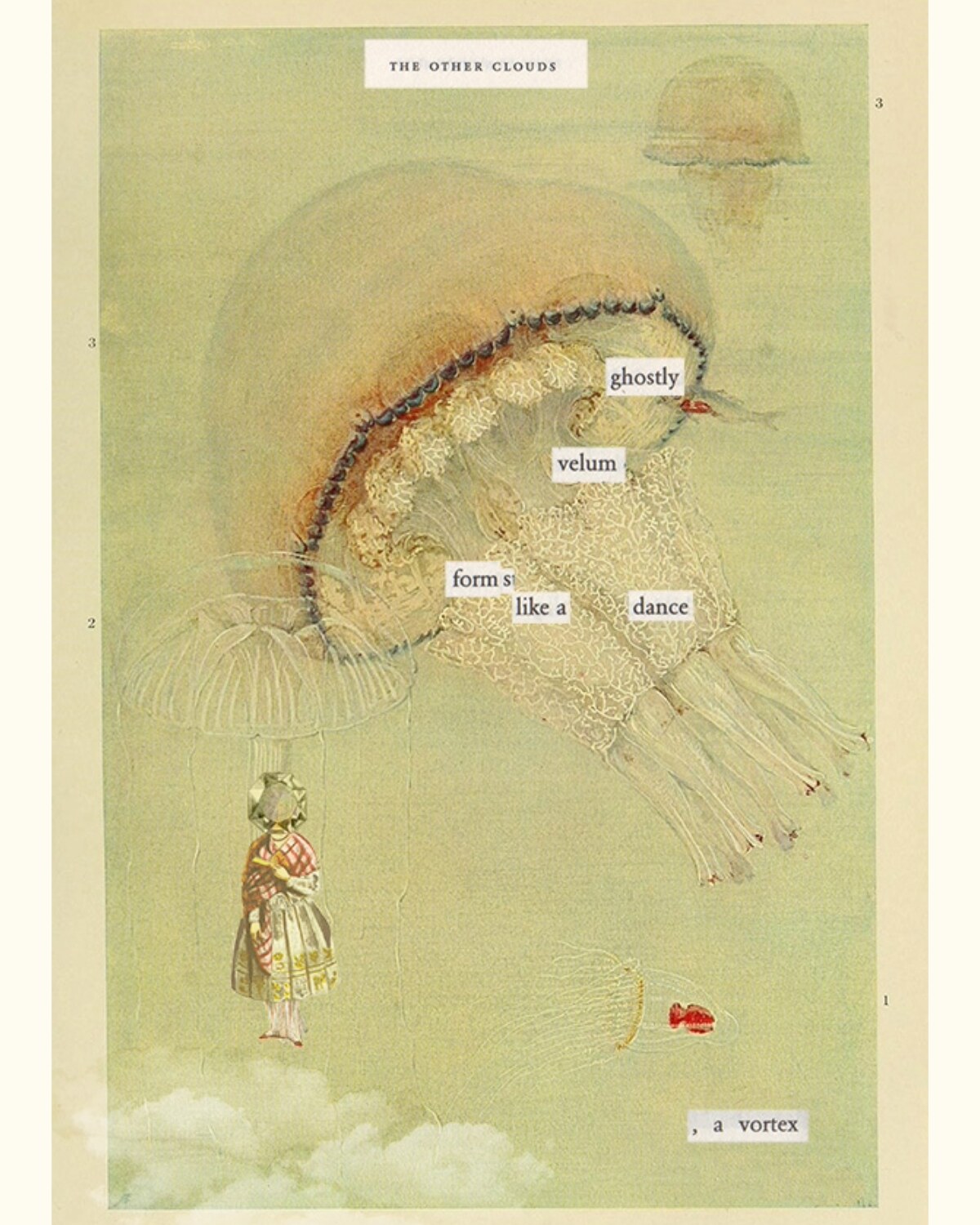
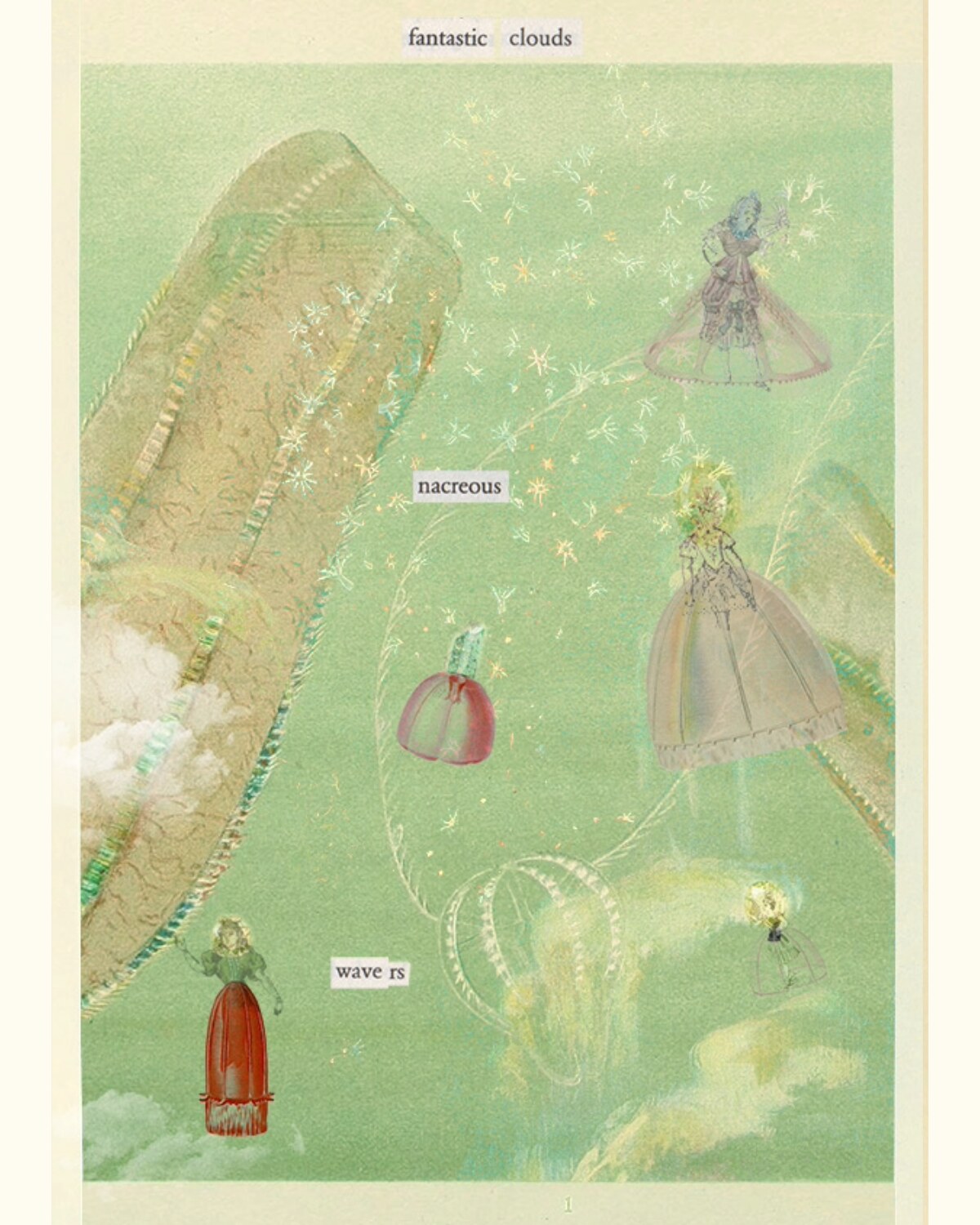
In my work as an educator I use poetry workshops to invite colleagues or learners to create new meanings from existing texts, creating artefacts that hold two datasets at once: for example, the poems below draw out different stories from the underlying text. Erasure poems become a form of data visualisation: two meanings of the same text can co-exist.
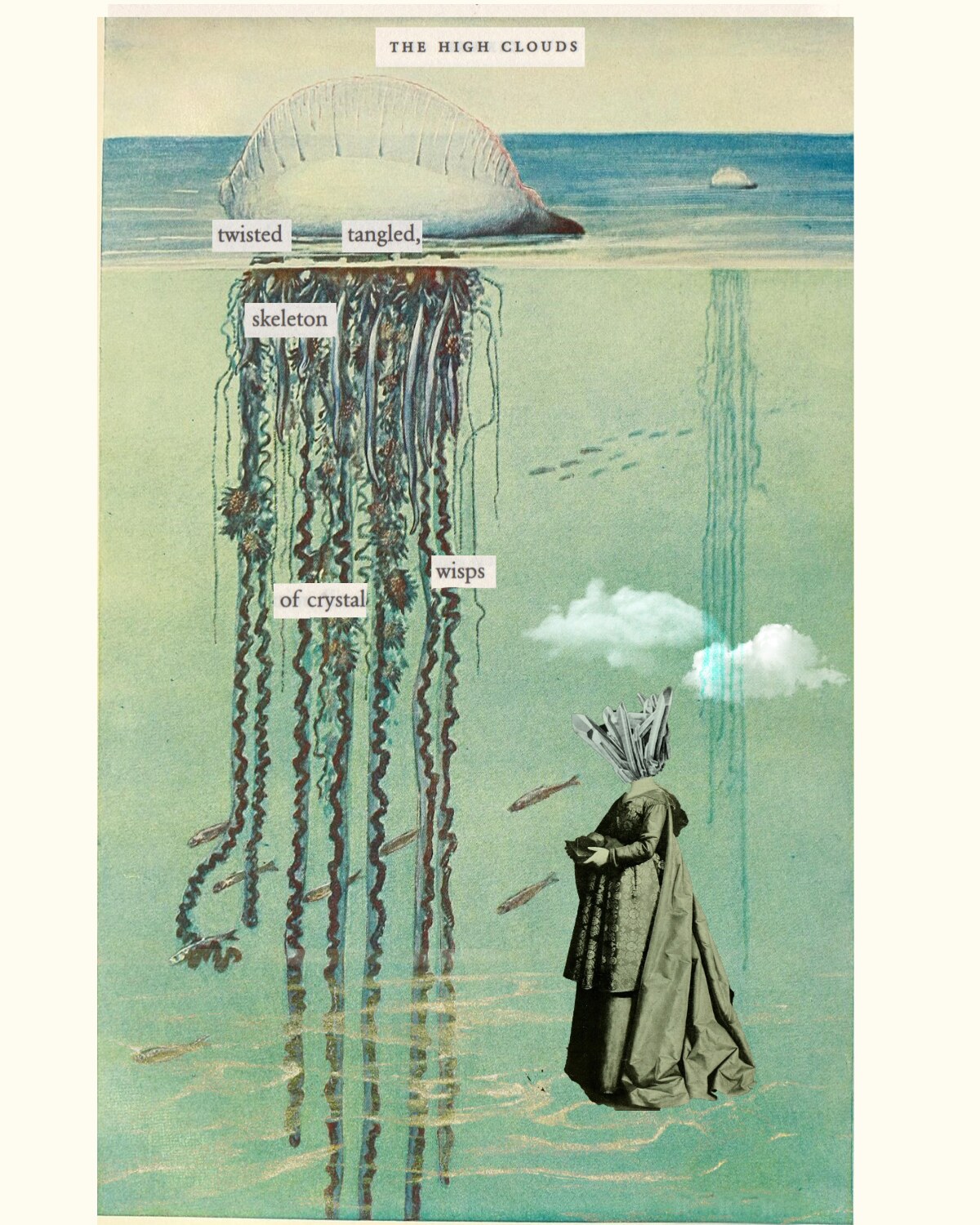
twisted, tangled, skeleton wisps of crystal
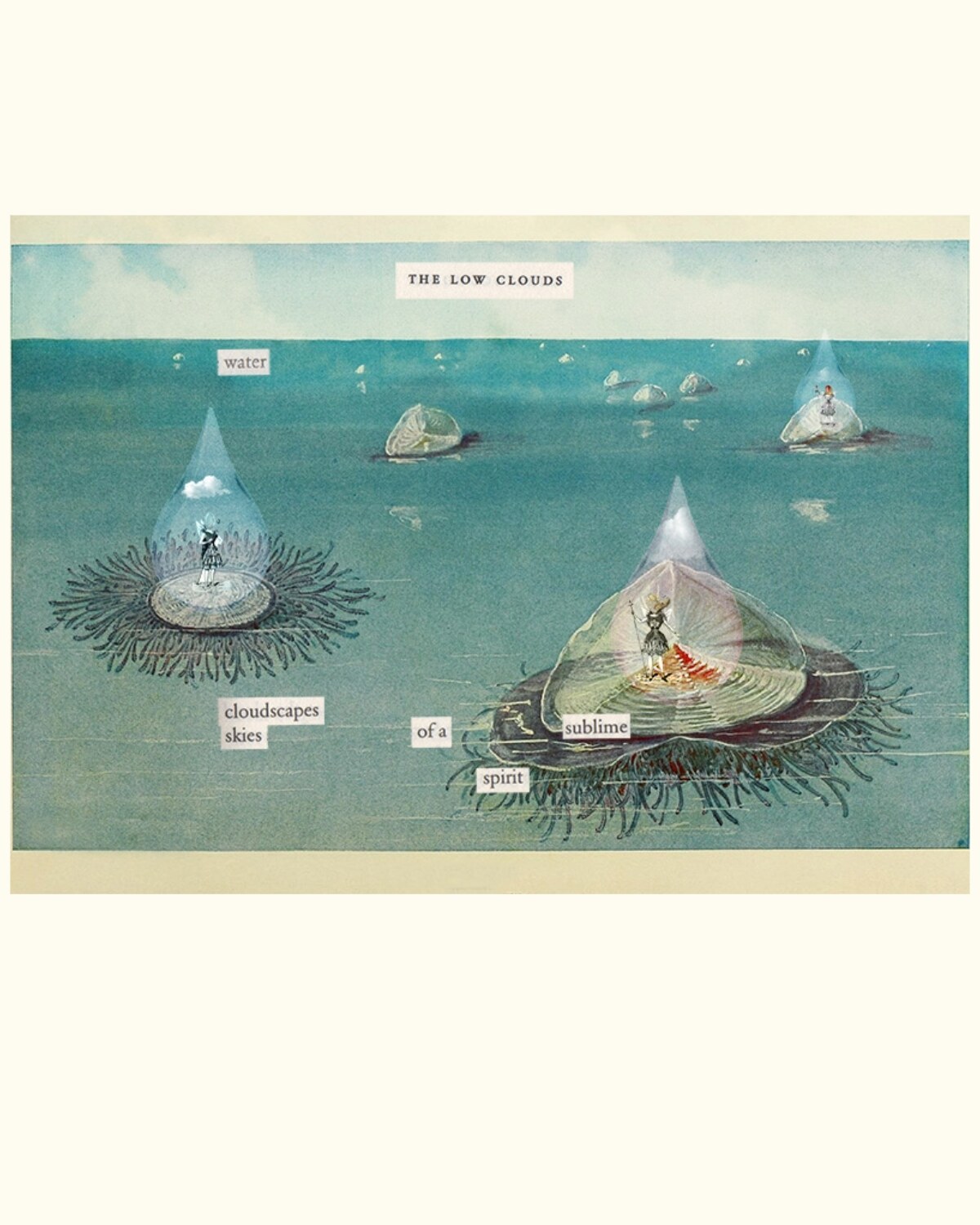
water, cloudscapes, skies of a sublime spirit
ghostly velum, forms like a dance, a vortex
nacreous wavers
Read in sequence, the four panels form one sapphic stanza:
twisted, tangled, skeleton wisps of crystal —
water, cloudscapes, skies of a sublime spirit —
ghostly velum, forms like a dance, a vortex —
nacreous wavers.
Three long lines, one short — a sapphic stanza, created and curated through dialogue with different sources, just as humanist consultations find hidden stories in data.
Using creative methods lets me work with institutions, external data and stakeholders, so that the people the record describes can see how they are described, and talk back to their own catalogue entry.
My latest project, Botanica, continues the process begun in this case study, but this time using plants as a visual metaphor and asking: how would you like to be represented as data?